Fly Fishing the Methow River: A Guide to Washington's Cutthroat Country
Two hours north of Wenatchee, tucked into the mountains of Okanogan County, the Methow River runs clear and cold through one of the most beautiful valleys in the Pacific Northwest. It is one of my favorite rivers to guide, and once you have stood in it with a fly rod in hand, it is easy to understand why. As you wade through the clear waters, surrounded by towering peaks and the steady rhythm of moving water, the quiet of the place is matched only by the thrill of hooking a strong, wild trout on a dry fly.
This is a focused look at fly fishing the Methow River: the fish that live here, the water you will be reading, when to come, and how a guided day on the river usually takes shape. Whether you are a seasoned angler chasing a new piece of water or just starting out, my goal with this guide is to help you picture the day before you ever lace up your boots.
Where the Methow River Is
The Methow River is located about two hours north of Wenatchee in Okanogan County. It is a true mountain river, and the drive alone is part of the experience as the highway climbs into the heart of the Methow Valley. From its deep pools to its shallow riffles, the Methow offers a variety of river terrain, all of it framed by breathtaking mountain views. This is not crowded, manicured water. It is wild country, and the river reflects that character from bank to bank.
The scenery is a big part of why the Methow earns a spot on so many anglers' lists. From the moment you step into the drift boat or wade into the water, you are surrounded by an abundance of wildlife. Deer move through the brush along the banks, eagles and osprey work the river overhead, and the valley walls rise on every side. It is the kind of place where a slow fishing hour still beats a great day almost anywhere else.
The Fish: Cutthroat, Rainbow, and Bull Trout
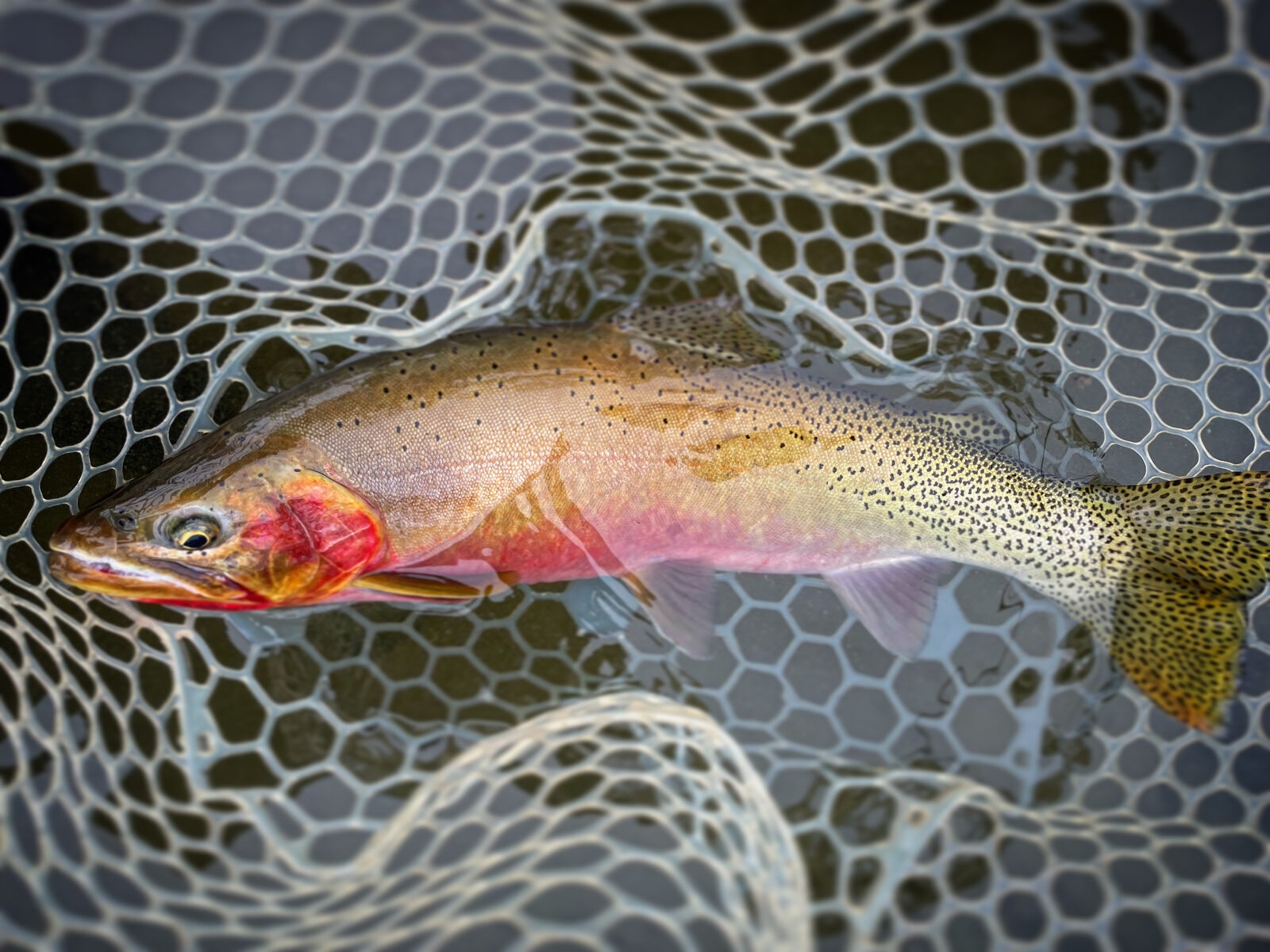
The Methow is home to some of the largest and most powerful trout in the region. On a given day you will have the opportunity to catch a variety of species, including westslope cutthroat trout, rainbow trout, and bull trout. Each one fishes a little differently, and learning to recognize the water that holds them is half the fun of the river.
Westslope cutthroat are the signature fish of this kind of mountain water. They are willing players on a dry fly, often holding in the faster, broken water where they can ambush drifting insects, and they tend to rise with an honest, confident take. Rainbow trout share much of the same water and add a faster, harder-fighting element to the day, frequently making the most of the river's current once they feel the hook.
Bull trout are a different story, and worth a word of respect. They are a native char and a protected species in Washington, so any encounter with one is a privilege rather than a target. If a bull trout comes to the net, the right move is a quick, careful, catch-and-release handling so the fish goes back strong. I will walk you through proper handling on the water and help you stay on the right side of current regulations.
Reading the Water: Pools and Riffles
One of the reasons the Methow is such a rewarding river to learn on is the way it lays out its water. From deep pools to shallow riffles, the river gives you a clear menu of fish-holding structure, and reading it well is the single biggest thing you can do to put more trout in the net.
Riffles are the shallow, choppy stretches where the surface breaks over rocks and gravel. That broken surface does two things for a trout: it hides the fish from overhead predators and it tumbles a steady conveyor belt of insects downstream. Trout will stack up at the heads and tails of riffles to feed, and these are prime spots for a well-presented dry fly drifting naturally with the current.
Pools are the deeper, slower sections, often found below a riffle or against an undercut bank. The bigger fish in any river tend to favor these spots because depth means safety and slower water means they burn less energy. In a pool, paying attention to the seams where fast water meets slow water often pays off, since trout will hold just off the current and dart out to grab food as it drifts by. Learning to spot those transitions, between the riffle and the pool, the fast seam and the soft edge, is the heart of river fly fishing.
The Best Time to Fish the Methow
Timing matters on a mountain river, and the Methow has a clear prime season. Fishing is best on the Methow from mid-June through the end of September. That window lines up with the river settling into good summer flows after spring runoff and the trout feeding actively through the warm months, and it carries right into the cooler, quieter days of early fall.
Outside of that window the river is a different animal, which is why the Methow reads as a seasonal option rather than a year-round one. If you want to fish here, plan your trip inside that mid-June to late-September stretch. For a broader look at how the seasons shape fishing across the region, my seasonal fly fishing guide breaks down what to expect month by month, and it is a good companion piece when you are deciding when to come.
Float or Wade: Two Ways to Fish It
I offer both float and wade trips on the Methow, depending on river flows. Each format opens up the river in its own way, and the right choice usually comes down to water levels and what you want out of the day.
A float trip puts you in the drift boat and lets you cover more water, slipping past long runs and reaching pockets that are hard to get to on foot. It is a relaxed, scenic way to fish, with me handling the oars while you focus on your casts. A walk-and-wade trip is more intimate, letting you slow down and work a stretch of riffles and pools thoroughly, one good piece of water at a time. Because flows on a mountain river change through the season, I will recommend the format that fits the conditions on the day you fish.
What to Bring and What Is Provided
A guided trip on the Methow includes the gear you need for the day, including waders, boots, rods, leaders, tippet, flies, and tackle, along with non-alcoholic beverages and, on full-day trips, lunch. You do not need to own a single piece of fly fishing equipment to get out on the water. If you have any dietary restrictions, just let me know ahead of time.
What you should bring is simple: a hat, sunglasses, and a rain coat. Weather in this part of Washington can change quickly, so layers are a good idea, especially in the cooler edges of the season. One thing to handle before your trip is a Washington fishing license, which is required and is not included with the trip. You can pick one up online before you fish. I will also let you know if any boat launch parking passes are needed for your particular day.
Fishing the Methow With a Guide
I founded Wenatchee Fly Co. to bring clients the best of Washington fly fishing, and the Methow is a perfect example of why local knowledge matters. I spend over 200 days a year on the water, have caught more than 75 species on the fly over a lifetime of fishing, and spent four years as a guide and manager for a fly fishing club in Colorado before my family and I settled in the Wenatchee Valley in 2019. I study each fish's habitat, behavior, and diet to craft my approach and teach my techniques to anglers of all ages and ability levels. You can read more about my background on my about page.
More than anything, a guide shortens the learning curve. On a river like the Methow, where success comes down to reading water and putting a clean drift over the right fish, having someone who knows the runs and the seasonal patterns is the difference between a frustrating day and a memorable one. I work closely with you to tailor the trip to your skill level and goals, and I provide all the instruction you need along the way. Whether you are looking to escape the noise of daily life, celebrate a special occasion, or simply spend quality time on beautiful water with friends and family, the Methow delivers.
If a scenic mountain river with strong, wild trout sounds like your kind of day, the Methow River trip is built for exactly that. You can learn more on the Methow River trip page or browse all of my guided fishing trips to compare it with the rest of my waters. For a wider view of where I fish across the state, my Washington fly fishing locations guide maps out the region.
Ready to Fish the Methow River?
Let me help you plan an unforgettable day on one of Washington's most scenic rivers. I provide all the equipment, local knowledge, and instruction to make your trip a success. The Methow fishes best from mid-June through the end of September, so reach out early to lock in your dates.
Book Your Guided Trip Today