
Fall Streamer Fishing for Big Trout in Central Washington
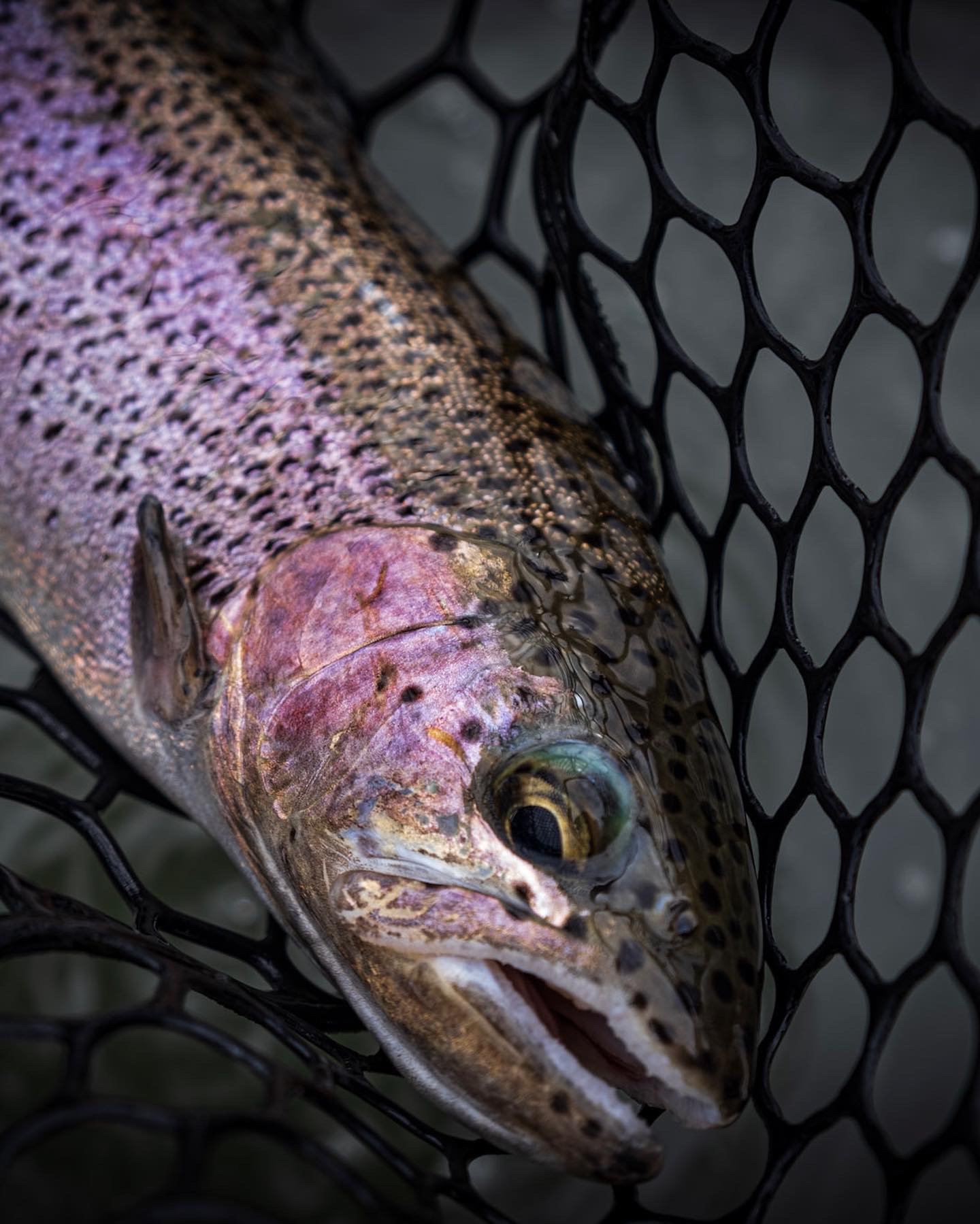
There is a stretch of the year, roughly late September into November, when the rivers of Central Washington quiet down, the light gets long and low, and the biggest trout in the system start behaving differently. The dry-fly crowd thins out, water temperatures drop back into a range trout love, and the fish that spend most of the year hiding in the deepest, most defensible water start moving. That is streamer season, and it is one of my favorite windows to be on the water.
Fall streamer fishing is not the most technical way to fly fish, but it is one of the most rewarding. You are not matching a hatch or drifting a size-20 mayfly. You are showing a big fish something that looks worth chasing, and giving it a reason to leave its lie. Below is how I think about the whole approach, from why fall is the right window to what patterns and gear actually put big trout in the net on the Yakima, the Methow, and the smaller rivers around them.
Why Fall Is Prime Time for Streamers
A few things line up in the fall that make trout more willing to chase. Water temperatures come off the summer highs and settle back into the mid-50s and lower, which is where trout feed hardest. Insect hatches taper off, so a bigger, more caloric meal starts to look more attractive than one more small mayfly. And with shorter days and colder nights coming, wild trout are actively building reserves before winter.
On top of all that, the bigger fish in any river are predators. A ten-inch trout eats bugs. A twenty-inch trout eats bugs, but it also eats sculpins, dace, juvenile whitefish, and its own smaller cousins. In the summer, when it is busy avoiding the sun and holding in the coolest, deepest water it can find, that predator lives a mostly quiet life. In the fall, it is on the move, and a well-fished streamer is exactly the kind of prey it is looking for.
Where Big Fall Trout Hold
Big fall trout are not scattered evenly through the river. They stack up in specific kinds of water, and knowing what to look for is half the battle.
The core water is anything deep and structured. Undercut banks are the classic streamer target: shaded, cool, and full of ambush lanes. Long, slow pools with woody debris or big rocks on the bottom hold fish, especially where a defined seam runs along the edge of the current. Bank corners, riprap, log jams, and the deep sides of gravel bars are all worth working carefully. On the Yakima, that means paying real attention to the outside of every canyon bend, the tailouts of long pools, and any structure that breaks the current in the lower canyon runs. On the Methow, the same logic applies with a mountain-river accent: the water is often clearer, so the fish tuck tighter to structure and use depth for cover.
The best streamer water usually is not the most obvious dry-fly water. Riffles fish beautifully for smaller trout in the summer, but in the fall you want to slow down and think about where a twenty-inch fish would live and hunt. That is almost always a piece of water most anglers wade past on their way to the next riffle.
Patterns That Work in Central Washington
You do not need a huge selection to fish streamers well, but the box should cover a few basic shapes and colors.
- Woolly buggers: The pattern that just keeps working. Black, olive, and brown in sizes 6 through 10 cover almost any situation. Add a bead or a cone head to get down in heavier water.
- Sculpin patterns: Sculpzillas, Home Invaders, and similar sculpin imitations in olive, brown, and natural sculpin colors match the biggest single meal in most Central Washington rivers.
- Muddler minnows: The classic swung streamer. Fishes well on the surface or just under, and moves water in a way big trout key on.
- Baitfish imitations: Slumpbusters, small Clousers, and dace-style patterns in white, tan, and olive earn their place in October and November.
- Articulated patterns: On the days the fish want a real meal, a double-hooked, jointed streamer in olive or black-and-yellow can be the difference between a slow day and a memorable one.
On dark, overcast days I lean darker and larger. In clear water and bright sun I go smaller and more natural. If nothing is happening on either end of the spectrum, changing colors is often more productive than changing patterns.
Gear: Rods, Lines, and Leaders
Streamer fishing rewards gear that is a little heavier than what you would carry for dry flies. A 9-foot 6-weight will handle most streamer work on the Yakima and Methow, and it is my go-to when I want a rod that still fishes well if a hatch shows up late in the day. If you know you are streamer fishing all day and swinging big articulated patterns, a 7-weight is more comfortable and does a better job turning over the fly.
Lines and Leaders
- Floating line with a heavy fly: Simple, versatile, and good for banging banks on a float trip. Pair it with a short, stout leader to help turn over weighted patterns.
- Sink-tip line: A 10 or 15-foot sink tip in an intermediate to fast sink rate is the workhorse for pulling streamers through pools and along undercut banks.
- Leaders and tippet: Short and heavy. A 5 to 7-foot leader tapered down to 0X or 1X (about 12 to 15-pound test) is right for most fall streamer work. This is not the time for 5X.
How to Fish the Streamer
The three retrieves that cover most water are the strip, the swing, and the dead-drift with a jig. Each does a different job.
A strip retrieve is the classic. Cast across and slightly downstream, let the fly sink to depth, and then move it with short, sharp pulls of the line. Vary the cadence until you find what the fish want. A swing lets the current do most of the work. Cast across, mend to control depth, and let the fly arc through the seam on a tight line. This is how a lot of Northwest anglers fish streamers, and it works because a swung fly looks like an injured baitfish being pushed by the current.
A dead-drift with a jig streamer is the third option. Fished under an indicator or on a tight nymph rig, a jig-head streamer can be deadly in deep pools where a stripped fly would spend too much time out of the strike zone. In cold late-fall water, a slow, deep presentation often outproduces a fast strip.
Float vs. Wade for Streamer Days
Fall is a great time to fish from the drift boat. Streamer fishing rewards covering water and getting a clean angle at every bank, and a float trip lets you touch a lot more of the good spots than you ever could on foot. Cast tight to the bank, get the fly moving, and you are showing dozens of fish the fly across the day.
That said, a wade day still fishes well if you slow down and pick apart the right pieces of water. Focus on one or two deep, structured runs, work them from every angle, and vary retrieves and patterns until you get a reaction. Streamer fishing on foot is more about patience than volume.
Wild Trout, Bull Trout, and Handling
Fall streamer fishing puts you in contact with bigger wild fish, and how they are handled matters. Water temperatures are cooler than summer, which helps, but a big trout still deserves a fast fight on stout tippet, a wet hand, a quick photo in the net, and a careful release facing into the current.
A word on bull trout: they are a native char, aggressive to streamers, and protected in Washington. Any bull trout on the fly is an incidental catch, not a target, and needs to be released quickly and carefully. I make sure my anglers know how to identify one and how to handle it right, and I keep an eye on current regulations for the water we are on. If you are not sure of the difference between a bull trout and a large rainbow or cutthroat, ask before you fish.
Booking a Fall Streamer Trip
A guided fall streamer trip is a straightforward day: heavier rods, a box of the right patterns, a plan for the water we are working, and a lot of time spent covering high-percentage lies. I supply the rods, reels, lines, leaders, tippet, flies, waders, and boots, so you do not need a specialized streamer kit to get in on the season. What you should bring is a hat, sunglasses, layers, and a rain coat, since fall weather in Central Washington can turn quickly. A Washington fishing license is required and is not included with the trip.
If a big-fish, big-water day sounds like your kind of trip, fall is the time to book. For a broader look at how the seasons shape fishing across the region, my seasonal fly fishing guide lays out what to expect month by month, and my guide to the best fly fishing spots in Washington maps out the water I fish most. To dial in the format for your day, my Yakima River trip page and Methow River trip page cover the details.
Ready to Chase Fall Trout?
Fall is the window for big trout on a streamer in Central Washington, and the season is short. If you want to spend a day pulling big flies through deep pools and undercut banks, reach out with your target dates and I will help you plan a trip that fits the water.
Book Your Guided Trip Today