
Hopper Season on the Yakima: Top Patterns for July through September
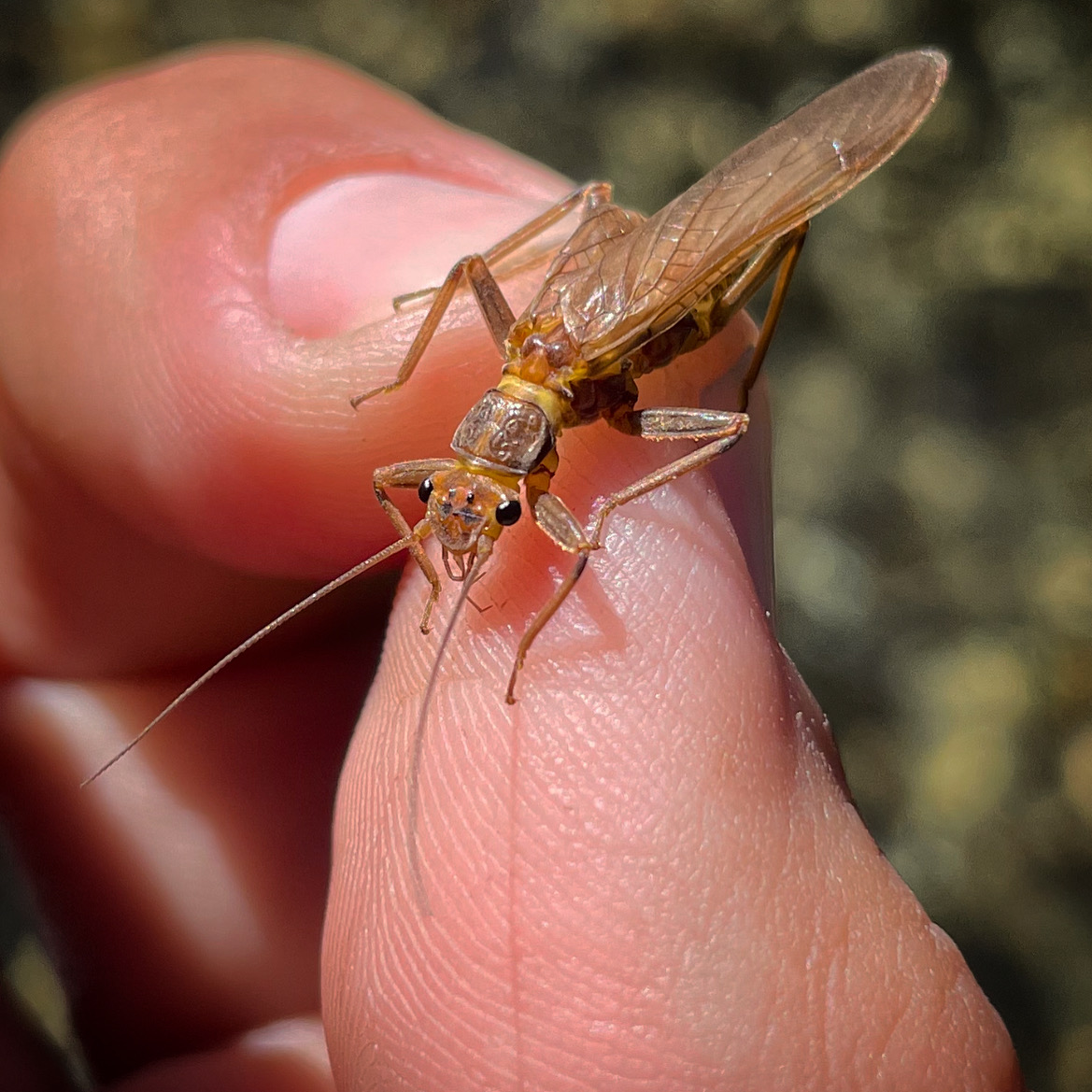
By the time the long days of summer settle into Central Washington, the Yakima River shifts into one of its most exciting moods of the year. The grass on the canyon walls dries to gold, the wind kicks up most afternoons, and grasshoppers start tumbling into the seams and back eddies of the river. For fly anglers, that means hopper season — a stretch of dry fly fishing that runs roughly from early July through the end of September, when trout look up for big foam bugs more reliably than at almost any other time of year.
This is a focused guide to fishing hoppers on the Yakima River, Washington's only Blue Ribbon trout stream. We will walk through when the bite turns on, the water types that fish best, the fly patterns worth keeping in the box, and how to rig and present them. Whether you are floating the Lower Canyon or wading a stretch above Ellensburg, the playbook is similar.
When Hopper Season Really Turns On
Grasshoppers are terrestrials, which means they live on land and only end up in the river by accident. That accident is most likely to happen when two things line up: hopper populations have hatched out in the streamside grass, and conditions push enough of them onto the water for trout to learn the meal is worth chasing. On the Yakima, that combination typically starts in early July, builds through the heat of August, and tapers off in late September as nights cool and the first frosts of fall thin the bug population.
Within the season, the best hopper windows tend to be warm, breezy afternoons. Wind is a hopper angler's friend — it knocks bugs out of the grass and onto the water, and trout learn to key in on banks the wind is pushing against. Mornings can still fish well, but the bite often peaks from late morning through early evening once the air warms and insects get active.
Where Hoppers Fish Best on the Yakima
The Yakima River runs 214 miles from its headwaters in the Cascades down to its confluence with the Columbia, and several stretches between Cle Elum and Roza Dam fish well in summer. For hopper fishing specifically, look for banks where grass, sage, and other vegetation grow right down to the waterline, and where the current pushes tight to those banks rather than spilling into a wide, soft flat.
Prime Water Types
- Grass banks with a current seam: The classic hopper spot. Trout sit just off the seam where slower water meets the main current and watch the bank for anything that drops in.
- Undercut and overhanging banks: Shade, depth, and a steady food line. Cast tight, drift naturally, and be ready for an aggressive eat.
- Riffle-to-pool transitions: A hopper drifted through the tail of a riffle and into the head of a pool covers a lot of feeding stations in one cast.
- Back eddies and foam lines: Bugs collect in eddies and seams. Patient drifts through these spots can produce some of the biggest fish of the day.
Float trips have a real advantage here because they let you cover miles of bank in a day, hitting one promising piece of water after another. Wade anglers can do well too by working the banks where access allows.
Top Hopper Patterns for the Yakima
Foam-bodied patterns dominate the modern hopper box because they float forever, support a dropper without sinking, and ride high in choppy water. The list below is a starting box for the Yakima, and a good local fly shop will stock variations of all of them.
Patterns Worth Keeping in the Box
- Morrish Hopper: A realistic foam-and-deer-hair pattern that has earned a long-standing spot in summer fly boxes across the West.
- Chubby Chernobyl: Not a literal grasshopper, but a high-floating foam attractor that trout eat as a hopper or large stonefly. Great as a dry-dropper indicator.
- Fat Albert: Big, buggy, and visible. A solid choice when the wind is up and you need to see your fly at distance.
- Parachute Hopper: A lower-profile pattern for spookier fish in clear water or skinnier flows late in the season.
- Thunder Thighs Hopper: Rubber legs, foam body, and an animated silhouette that draws strikes when fish want some movement.
Color matters too. Tans, yellows, and pinks all see fish in summer, with pink and purple foam often outproducing more natural shades on heavily fished water. Keep sizes from a #8 down to a #12 so you can match the actual hoppers along the banks on a given day.
Dry-Dropper Rigs for Summer Trout
One of the most productive ways to fish hoppers on the Yakima is with a dropper trailing behind the dry. The hopper acts as both a target for surface-feeders and a strike indicator for a nymph drifting below. On a day when fish are not yet committing to the dry, the dropper will often save the trip on its own.
A simple rig starts with a foam hopper on a stout leader, then a section of tippet — usually 18 to 36 inches — tied off the bend of the hook to a weighted nymph. Pheasant Tails, Hare's Ears, perdigons, and small stonefly nymphs all earn their keep here. Adjust the dropper length to match the depth you want to cover: shorter for shallow riffle water, longer for deeper seams and pools. If you are getting drag or your dry is being pulled under constantly, lighten the nymph or shorten the tippet.
Presentation: Make It Look Like an Accident
A real grasshopper does not enter the river quietly. It crashes off the grass and lands with a small splat, then either kicks for shore or rides the current with twitchy, panicked motion. A good hopper presentation borrows from that behavior more than it does from delicate dry fly fishing for mayflies.
Cast tight to the bank, ideally inches from the grass line rather than two feet off it. A confident, slightly hard landing is fine here and sometimes preferred — it can trigger an immediate eat. Mend just enough to keep the fly drifting drag-free, and feel free to give it the occasional small twitch through likely water. Watch the fly closely. Strikes on a hopper can be huge boils or slow, deliberate sips that look like a trout simply nudging the bug. Set on anything that looks suspicious.
Gear, Tippet, and Practical Notes
A 9-foot 5-weight is the standard Yakima trout rod and handles hoppers and dry-dropper rigs well. If you expect a lot of wind or plan to throw bigger foam with heavier droppers, stepping up to a 6-weight makes turning the rig over easier and reduces tangles. A floating line, a 9-foot tapered leader down to 3X or 4X, and an extra spool of 4X and 5X tippet will cover most situations.
Summer on the Yakima can also mean warm water in the afternoons. When surface temperatures push into the high 60s, trout get stressed during a long fight, so consider fishing earlier and later in the day, keeping fights short, and giving fish time to revive fully before release. An evening session usually fishes better than a hot afternoon anyway.
Fishing Hopper Season With a Guide
Hopper fishing on the Yakima rewards local knowledge. Flows, wind direction, and which banks have the right vegetation change week to week, and small adjustments in pattern and drift make a real difference. A guided float covers more productive water than most anglers can reach on their own, and our guides spend the summer reading those conditions day after day.
For more on when to plan your trip, our seasonal fly fishing guide walks through hatches and conditions month by month, and the Yakima River trip page covers what a day on the water with us looks like. You can also browse all of our guided fishing trips to compare the Yakima with our other waters.
Ready to Fish Hopper Season on the Yakima?
July through September is one of the best windows of the year for big dry fly eats on Washington's Blue Ribbon trout stream. Reach out to lock in your dates while the hopper bite is on, and we will help match a trip to your schedule and skill level.
Book Your Guided Trip Today