
Float vs. Wade on the Yakima River: Choosing the Right Approach
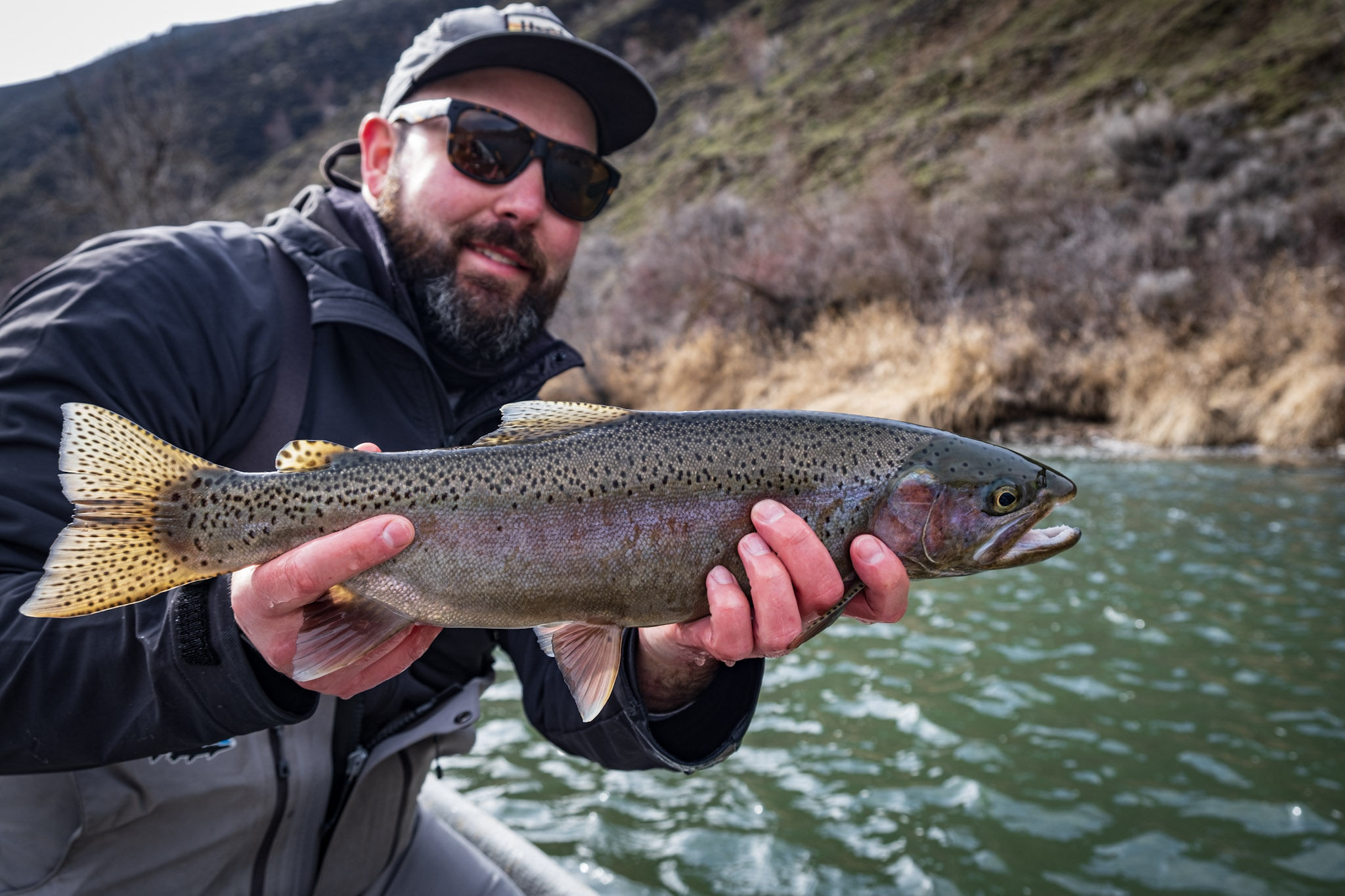
The Yakima River is Washington's only Blue Ribbon trout stream, and one of the best things about it is how many ways there are to fish it. Over more than 80 miles of quality trout water, the river shifts character constantly, from the broad canyon runs above Ellensburg to the tight riffles up near Cle Elum and the deeper, slower stretches down toward Roza. That variety is a gift, but it also puts a real question in front of every angler heading out for the day: should you float it, or should you wade it?
There is no single right answer. The best approach depends on flows, season, what stretch of river you are on, and what you want out of the day. Below is how I think about that decision when planning a Yakima trip, so you can walk into the day with a clear sense of why you are on foot or in the boat.
What a Float Trip on the Yakima Actually Looks Like
A float trip on the Yakima usually means a full day in a drift boat with the guide on the oars. You cover a lot of water, five to twelve miles depending on the section and flow, and you get access to bank runs, side channels, and inside seams that would be nearly impossible to reach on foot. Most of the fishing is casting to the bank as the boat glides by, dropping flies against structure that changes every few seconds.
The pace is different from wading. You have one shot at a bucket before it slides past, then you are on to the next one. That rhythm rewards a decent short cast, a quick mend, and the willingness to keep working. It is also a very sociable way to fish, since two anglers can trade turns off the bow and stern while the guide reads water, calls targets, and rows through the boring stuff so you are always in position when the good water shows up.
What a Walk-and-Wade Day Looks Like
A walk-and-wade day is a slower, more intimate way to fish the Yakima. Instead of moving through miles of river, you park on a good stretch and work it thoroughly. You get to study a run, drift a fly through it several times, change your angle, adjust your leader, and really feel out where the fish are holding. It is fishing at the speed of the river, not the speed of the boat.
Wading also puts you in charge of your own footwork, which is part of the appeal. You wade into the seam you want to cover, read the depth, and pick your casting lane. When conditions are right, a wade angler in a productive riffle can out-fish a rushed float angler on the same water simply by giving the fish more good drifts.
How River Flows Decide the Day
Flows are the biggest single factor in the float versus wade call on the Yakima. This is a regulated river fed by upstream reservoirs, and the flow schedule changes with irrigation demand through the year. In practice that means the river runs relatively low and clear in the winter and shoulder seasons, ramps up during the summer irrigation "flip-flop," and then drops again in the fall.
When flows are up, wading gets harder. Higher water pushes trout tight to the bank, narrows your safe crossings, and makes it tough to reach the seams from shore. That is when the drift boat earns its keep, because it lets you fish the bank from the inside out. When flows are down, the river opens up on foot. You can cross where you could not before, riffles become defined, and holding water is easier to read. Wade trips shine in those conditions.
Season and Hatch Timing
Season shapes the choice as much as flows do. The Yakima fishes year-round, and each stretch of the calendar tilts toward one approach or the other.
Spring
Spring is a strong float season on the Yakima. The Skwala stonefly hatch draws fish to the surface along the banks, and a drift boat is the most efficient way to work miles of that classic Skwala water. Wading is possible in the lower flows of early spring, but the biggest days usually come from the boat.
Summer
Summer is when the float versus wade question gets most interesting. Once irrigation flows come up, the river is running big and the bank game takes over, so floating is usually the right call. Terrestrials, caddis, and dry-dropper rigs all work well from the boat. On cooler mornings or in early summer before flows peak, a wade angler working evening caddis in a familiar riffle can still have a fantastic day.
Fall
Fall is a wade angler's window. As irrigation flows drop, the river slims back down, the crowds thin, and the fish move into more predictable holding water. October caddis, blue-winged olives, and streamer fishing all reward the slower, more thorough approach that wading allows. Floats still fish well in fall, especially for anglers who want to cover water and swing streamers, but the wade option opens up in a way it does not during high summer.
Winter
Winter on the Yakima is quiet, cold, and often overlooked. Flows are typically at their lowest, midge fishing can be excellent, and wading a favorite tailwater run for a few hours can be one of the most peaceful days of the year on the water. Floats are still possible but tend to be shorter and more selective.
Matching the Approach to the Section
Different stretches of the Yakima reward different approaches. Knowing the character of each section is a big part of picking the right one for the day.
- Upper Canyon (Cle Elum to Thorp): A classic dry fly stretch with a mix of riffles, pools, and structure. It floats well in season, and there are wade-friendly access points for anglers who want to work a smaller piece thoroughly.
- Lower Canyon (Ellensburg to Roza): The most iconic float water on the river, with dramatic canyon walls, long bank runs, and consistent bug life. This section is built for the drift boat, especially at summer flows.
- Below Roza: The character changes here, with warmer, slower water that trends toward smallmouth bass fishing in the summer. That is a different trip with a different rig, but it is worth knowing the river does not end at Roza.
What You Want Out of the Day
Beyond flows and sections, the honest question is what you actually want out of your day. If your priority is scenery, comfort, covering water, and having a guide handle the logistics while you cast, a float trip is hard to beat. Two anglers in a boat can trade turns, take breaks, eat lunch on a gravel bar, and end the day miles downstream from where they started.
If your priority is skill building, learning to read water, working a hatch, or getting deeper into the craft of the cast and the drift, wading rewards that focus. A walk-and-wade day gives you time to slow down and try things. Beginners often benefit from a wade day early on, because standing still in one piece of water is a great way to feel what the current is doing to your fly.
A Guide's Rough Rule of Thumb
When someone asks me to boil it down, I usually offer this: pick the float when the river is up, the hatch is on the bank, or you want to see a lot of water in a single day. Pick the wade when the river is low, the fish are stacked in defined holding water, or you want to slow the day down and really learn a stretch. And know that on the Yakima, both options can be right in the same week, sometimes on the same day.
That is one of the reasons the Yakima is such a rewarding river to fish. It gives you options, and every option teaches you something. For a broader look at how the seasons shape fishing across the region, my seasonal fly fishing guide is a good companion piece to this one, and my guide to the best fly fishing spots in Washington places the Yakima in the wider context of the state's waters.
Fishing the Yakima With a Guide
Whether the day calls for a float or a wade, having a guide on the water shortens the learning curve. Our guided trips on the Yakima include the gear you need for the day, waders and boots, rods, leaders, tippet, flies, and tackle, along with non-alcoholic beverages, and full-day trips include lunch. A Washington fishing license is not included, so plan to pick one up before the trip.
We match the format to the conditions on the day you fish, so you do not have to make the float versus wade call on your own. If you have a preference, we will build the day around it when the river cooperates. If the river has other plans, we will pick the approach that gives you the best shot at good fishing and tell you honestly why.
Ready to Fish the Yakima?
Whether you want to cover water from the drift boat or work a favorite riffle on foot, we can plan a Yakima trip around the current conditions and your goals. Learn more on the Yakima River trip page or browse all of our guided fishing trips to compare it with our other waters.
Book Your Guided Trip Today